
What is an example of a FinTech mobile app
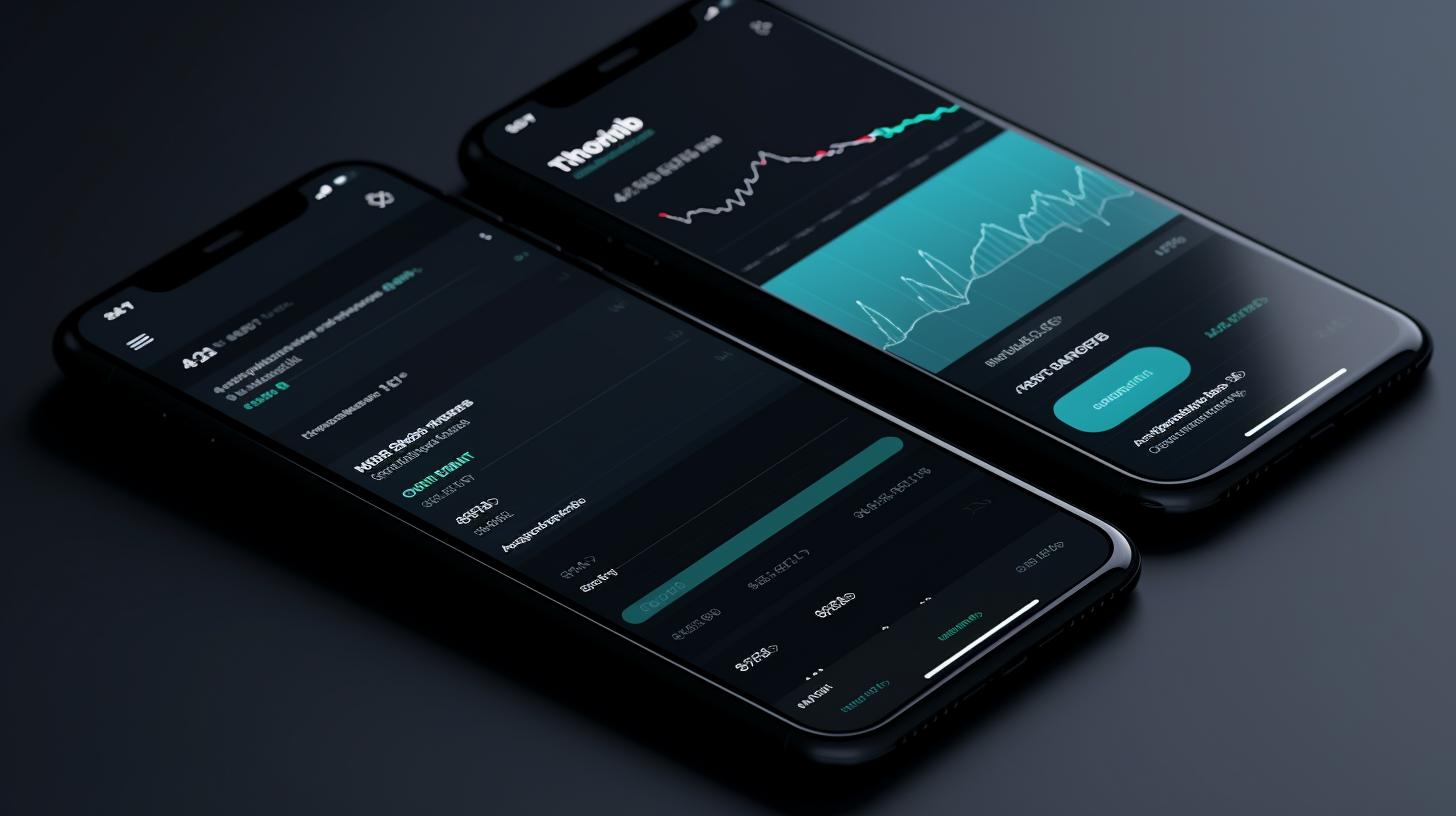
The Financial Technology (FinTech) sector has rapidly ascended as a transformative power in the global economy, signaling a profound departure from conventional banking methods towards more innovative, technologically advanced financial practices. This evolution, commonly termed as the digital transformation of finance, transcends mere enhancements in transaction processing or investment management. It’s a radical reimagining of the financial journey for both enterprises and individual consumers.
At its essence, FinTech harnesses the latest technological innovations to streamline and automate financial services and operations. The sector’s meteoric rise is fueled by the swift proliferation of mobile technology, escalating consumer expectations for more accessible and efficient financial services, and an increasing receptivity to non-traditional financial entities. Spanning from intuitive mobile banking and peer-to-peer payment applications to advanced investment and lending platforms, FinTech is not just altering but revolutionizing the standard paradigms of financial interactions and offerings.
The shift from traditional, physical banking to digital platforms is emblematic of more than mere convenience. It signifies a fundamental transformation in the financial domain. Today’s banking, heavily influenced by FinTech, is distinguished by its immediacy, accessibility, and customer-focused design. This evolution caters not only to the tech-savvy populace but also fosters broader financial inclusion, dismantling erstwhile barriers to financial services. As we delve deeper into this digital epoch, FinTech remains at the vanguard, persistently driving innovation and redefining the contours of the financial future.
Understanding FinTech Mobile Apps
FinTech mobile apps, a cornerstone of today’s digital banking revolution, are at the heart of the financial technology movement. These apps represent a new wave of financial services, harnessing technology to make banking, investing, and managing money not only more efficient but also more accessible to everyone. Unlike traditional banking methods, which often involve physical branches and face-to-face interactions, FinTech apps offer financial services directly from smartphones or other digital devices, providing unparalleled convenience and speed.
The primary purpose of these apps is to simplify various financial processes, making them more user-friendly and less time-consuming. For instance, lending apps have transformed the way individuals and businesses borrow money. By using algorithms and data analytics, these apps can quickly assess creditworthiness, offering instant loan approvals and disbursements without the need for lengthy paperwork or in-person meetings. This approach not only streamlines the lending process but also opens up credit opportunities to those who might be underserved by traditional banks.
Payment systems are another key area where FinTech apps shine. Apps like PayPal, Venmo, and Square Cash allow users to send and receive money with just a few taps on their devices, revolutionizing the way we think about transactions. These systems bypass the need for cash or checks, facilitating instant digital transfers that are both secure and convenient.
Investment platforms, such as Robinhood and Acorns, have similarly democratized access to the stock market and investment opportunities. By offering user-friendly interfaces and eliminating traditional barriers like high fees and minimum balances, these platforms empower individuals to start investing with small amounts, making the world of stocks, bonds, and other investment vehicles more accessible than ever.
In essence, FinTech mobile apps are not just redefining the mechanics of banking and finance; they are reshaping the very culture and mindset around money management. By offering more personalized, efficient, and accessible financial services, these apps are not only challenging traditional banking models but are also setting new standards for the future of finance.
Key Areas in FinTech
The FinTech landscape is vast and varied, encompassing several key areas that have been significantly revolutionized by technological advancements. Among these, lending, blockchain, and cryptocurrency stand out for their transformative impacts and innovative applications through FinTech apps.
- Lending: Traditionally, obtaining a loan was a cumbersome process, laden with paperwork, long waiting periods, and stringent credit checks. FinTech has dramatically altered this scenario with digital lending platforms. These platforms use advanced algorithms and big data analytics to assess credit risk, offering quicker loan approvals and more personalized lending rates. Peer-to-peer (P2P) lending apps, such as Lending Club and Prosper, exemplify this change. They connect borrowers directly with investors, bypassing traditional banking protocols and offering more competitive rates and terms. This democratization of lending not only makes credit more accessible but also tailors it to individual needs, fostering a more inclusive financial environment.
- Blockchain: Perhaps one of the most buzzed-about terms in the tech world, blockchain, is at the forefront of FinTech innovation. This technology offers a decentralized, secure ledger for recording transactions, ensuring transparency and security. Its implications in FinTech are profound, particularly in areas like smart contracts, identity verification, and secure, transparent transactions. Blockchain technology underpins cryptocurrencies and has applications in cross-border payments, supply chain management, and more, offering a level of security and efficiency previously unattainable in financial transactions.
- Cryptocurrency: Cryptocurrencies, digital or virtual currencies that use cryptography for security, are an offshoot of blockchain technology and have become synonymous with FinTech innovation. Bitcoin, Ethereum, and Ripple are just a few examples of cryptocurrencies that have challenged traditional notions of currency and monetary transactions. These digital assets facilitate transactions across borders without the need for intermediaries like banks, potentially reducing transaction fees and times. Moreover, the rise of crypto wallets and crypto trading apps has made it easier for everyday users to buy, sell, and hold cryptocurrencies, further integrating these digital assets into the financial mainstream.
FinTech apps in these areas are not just technological upgrades to existing financial services; they represent a paradigm shift in how we approach lending, transactions, and the very concept of money. By leveraging these technologies, FinTech is not only addressing current financial challenges but also paving the way for a more efficient, secure, and inclusive financial future.
Popular FinTech Apps and Their Impact
In the dynamic world of FinTech, certain apps have risen to prominence, not only for their innovative features but also for their significant impact on the market and consumer behavior. MoneyLion, Robinhood, and Nubank are prime examples of such trailblazing applications, each carving out a unique niche in the financial technology landscape.
- MoneyLion: MoneyLion is a multifaceted personal finance app that combines various aspects of financial management into a single platform. It offers services ranging from personal loans and financial tracking to investment management. What sets MoneyLion apart is its approach to empowering users with comprehensive financial tools. By providing access to credit-building loans, cashback rewards, and personalized financial advice, MoneyLion has shifted the paradigm from passive financial management to active financial wellness. This app’s impact lies in its ability to make sophisticated financial strategies accessible to the average person, thereby promoting financial literacy and smarter money management.
- Robinhood: Robinhood has revolutionized the world of investing by making stock trading simple and accessible to everyone. With its user-friendly interface and commission-free model, Robinhood has appealed to a younger demographic, many of whom were previously excluded from the stock market due to high fees and perceived complexity. The app’s impact extends beyond its platform; it has forced the entire brokerage industry to reconsider their fee structures and user accessibility, democratizing investment opportunities and altering how new investors interact with the stock market.
- Nubank: As one of the leading digital banks in Latin America, Nubank has transformed banking in a region where traditional banking penetration is low. By offering a no-fee credit card and a digital savings account, Nubank has addressed key customer pain points, such as high fees and cumbersome banking processes. Its success lies in its customer-centric approach, leveraging technology to provide a seamless, intuitive banking experience. Nubank’s influence is evident in its rapid user growth and in how it’s compelling traditional banks to accelerate their digital transformation strategies to remain competitive.
These FinTech apps have not only introduced novel features and services but have also fundamentally changed how consumers approach their finances. By prioritizing accessibility, user experience, and financial empowerment, they have reshaped consumer expectations and behaviors, setting new standards for the financial services industry.
Trends in FinTech Mobile Apps
The FinTech industry is continuously evolving, driven by emerging trends that redefine how financial services are delivered and experienced. Key trends in FinTech mobile apps, particularly digital solutions, mobile banking, and the impact of the COVID-19 pandemic, have significantly accelerated the adoption and innovation in digital finance.
- Digital Solutions: The rise of digital solutions in FinTech is marked by a surge in apps designed to simplify and enhance various financial tasks. From automated investment apps and financial planning tools to budgeting and expense tracking applications, digital solutions are making financial management more intuitive and data-driven. These tools leverage technologies like AI and machine learning to provide personalized advice and insights, helping users make more informed financial decisions. The trend towards digital solutions signifies a shift from traditional, one-size-fits-all financial products to more tailored, user-centric services.
- Mobile Banking: Mobile banking has seen remarkable growth, with more consumers opting to manage their finances through their smartphones. This trend has been fueled by the demand for convenience, real-time access to banking services, and the ability to perform a range of financial activities from anywhere. FinTech apps in mobile banking now offer features that go beyond basic account management, including virtual cards, real-time notifications, and seamless peer-to-peer transactions. The integration of features like biometric security has also enhanced the safety and trust in mobile banking apps, further driving their adoption.
- Impact of COVID-19: The COVID-19 pandemic has acted as a catalyst in the adoption of FinTech mobile apps. With social distancing norms and the reduced accessibility of physical bank branches, consumers and businesses have increasingly turned to digital platforms for their financial needs. This shift has led to a spike in the use of digital payment methods, online lending, and digital investment platforms. The pandemic has not only accelerated the digital transformation of financial services but has also highlighted the need for robust, scalable digital finance solutions that can withstand unprecedented challenges.
These trends underscore the dynamic nature of the FinTech sector and its ability to adapt and respond to changing market needs and consumer behaviors. As we move forward, these trends are likely to shape the future trajectory of FinTech, driving further innovation and inclusivity in financial services.
The Future of FinTech: What to Expect
As we look towards the horizon of financial technology, several key trends and demographic shifts hint at an exciting future for FinTech. Particularly, the influence of Generation Z (Gen Z), the emergence of mobile-only banks, and the evolution of digital payment methods are poised to shape the next wave of FinTech innovation.
- Influence of Gen Z: Generation Z, the first truly digital-native generation, is set to significantly impact the FinTech landscape. Their comfort with technology, along with their distinct financial behaviors and preferences, is driving FinTech towards more intuitive, socially responsible, and instant financial solutions. Gen Z’s expectations for seamless, real-time experiences are pushing FinTech firms to innovate continually. This includes the integration of social media with financial services, gamification of investment and savings, and the development of more engaging user interfaces. As this generation gains more financial independence, their influence will dictate the direction of new FinTech developments.
- Rise of Mobile-Only Banks: The burgeoning trend of mobile-only banks (or neobanks) is redefining the banking experience. These banks operate without traditional physical branch networks, offering instead a fully digital interface with enhanced user experiences, lower fees, and innovative features. Companies like Revolut, Chime, and Monzo are leading this charge, catering to a growing demographic that prefers to bank on-the-go. The success of mobile-only banks underscores a broader shift in consumer banking preferences and is likely to spur more competition and diversity in banking services.
- Evolving Digital Payment Methods: Digital payment methods continue to evolve, moving beyond mere transactional tools to become integral parts of larger financial ecosystems. The future is likely to see the integration of payment systems with other services like e-commerce, healthcare, and transportation. Innovations such as contactless payments, digital wallets, and cryptocurrency transactions are gaining traction, offering faster, more secure, and more convenient payment options. This evolution is not just technological but also cultural, as society moves closer to a cashless reality, influenced by the convenience and efficiency of digital payments.
The future of FinTech is vibrant and dynamic, marked by continuous innovation and adaptation. As technology advances and consumer preferences evolve, FinTech is set to further permeate our daily lives, transforming how we manage, invest, and spend our money.
Conclusion
In conclusion, the FinTech landscape is rapidly evolving, marked by groundbreaking innovations in mobile banking, lending, blockchain, and digital payment methods. This evolution is not just technological but also cultural, reshaping our approach to money management, investment, and financial transactions. Apps like MoneyLion, Robinhood, and Nubank have revolutionized the financial sector, offering more accessible, efficient, and user-friendly services. The influence of Gen Z and the rise of mobile-only banks underscore a shift towards more personalized, digital-first financial experiences.
The ongoing trends in FinTech, accelerated by the COVID-19 pandemic, highlight the sector’s resilience and capacity for continuous innovation. As digital finance becomes increasingly integral to our daily lives, staying abreast of these trends is crucial. Not only do they offer insights into the future of finance, but they also empower us to make informed decisions, leveraging technology for financial well-being and empowerment. The journey of FinTech is one of endless possibilities, promising a future where financial services are more inclusive, efficient, and tailored to individual needs.
FAQs
What’s a prime example of a FinTech mobile app?
Ah, right off the bat, I’d say Robinhood. It’s a sleek trading app that lets you dive into equities, cryptos, and ETFs. Super user-friendly, especially for those just getting their feet wet in the trading pool.
How does Robinhood stand out in the FinTech space?
Robinhood really democratized trading. It’s known for its commission-free trades, real-time market data, and a minimalist interface. Perfect for traders who value agility and staying ahead of market trends without hefty fees.
Can beginners navigate Robinhood easily?
Absolutely! It’s a breeze for newbies. The app’s intuitive design and educational resources make it a solid choice for those learning the ropes of market liquidity, asset diversification, and risk management.
Are there advanced features for seasoned traders in Robinhood?
Sure thing! While it’s beginner-friendly, Robinhood also caters to experienced traders with features like Options trading, margin accounts, and extended trading hours. It’s a good platform for those looking to leverage their market strategies.
How secure is trading on Robinhood?
Security’s a big deal here. Robinhood uses cutting-edge encryption and two-factor authentication (2FA) to protect your account. Always remember, though, managing your digital footprint and understanding the risks is key in any online trading platform.